

- 085902304403
- +91 484 4010403
- +91 98460 43403
- +91 93886 40364


WELCOME TO KERALAS TOURISM
Places in plenty, unlimited scenery, land of love and cultural beauty…..what else could describe God's Own Country?
Greetings from God's Own Country!
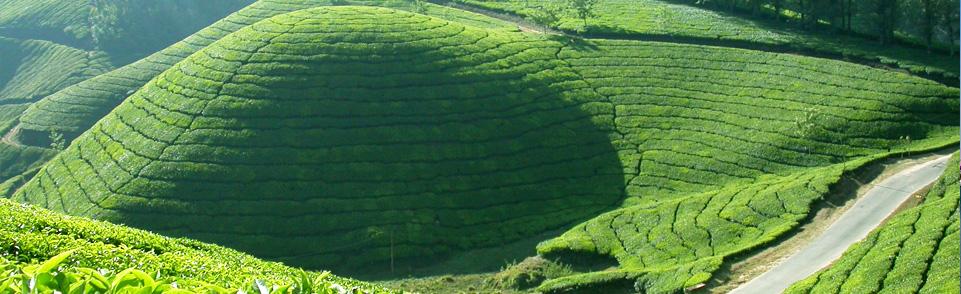
Kerala can proudly rate itself as one of the fastest growing tourist destinations in the country. Lush hill stations, palm fringed beaches, winding backwaters, adventure hotspots, serene ecotourism locales, relaxing ayurvedic wellness packages, cool waterfalls, exotic wildlife, pleasant homestays, delicious cuisine, monuments steeped in history, vibrant art forms, sacred pilgrimage places, and more….await the travel enthusiast wanting to discover Kerala.
Kerala can proudly rate itself as one of the fastest growing tourist destinations in the country. Lush hill stations, palm fringed beaches, winding backwaters, adventure hotspots, serene ecotourism locales, relaxing ayurvedic wellness packages, cool waterfalls, exotic wildlife, pleasant homestays, delicious cuisine, monuments steeped in history, vibrant art forms, sacred pilgrimage places, and more….await the travel enthusiast wanting to discover Kerala.
Kerala has unique geographical features that make it the most sought after tourist spot in Asia. No wonder Kerala has been listed as one of the fifty must see places of a lifetime by National Geographic. Moreover, the delightful 'nature experiences' of houseboat cruising during monsoon, staying in tree top huts in the wilderness of the jungle, getting a feel of the warmth and hospitality of the hosts at homely homestays, cheering with the crowd at dynamic boat races, and many more moments of joy and exhilaration are in store for visitors to Kerala.
Be it shopping for handicrafts at showrooms and exhibitions or vintage collections from antique stores, or indulging in watersports and paragliding, or learning the malayaly way of cooking, farming and other activities from the local residents, Kerala offers everything, from the classic to the contemporary, in a choice of assorted tourist packages – ranging from the ancient art forms that form part of religious fairs, festivals and cultural performances to hi-end entertainment including luxury cruise tourism. Yes, Kerala has something to offer for every kind of tourist.
The State also has a commendable record in terms of the level of health and hygiene, female literacy, infant mortality and life expectancy – all of which are indicative of its Physical Quality of Life Index or PQLI.
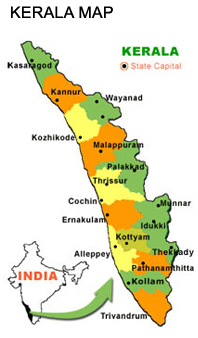
Holiday makers throng to this tiny strip of land at the southernmost part of India, known for its natural surprises and equable climate, throughout the year.
Welcome to explore Kerala, the Land of coconut trees, the State of scenic splendour
| South Indian Destinations |
Tamil Nadu |
Karnataka |
Andhra Pradesh |
Kerala |






Follow

